

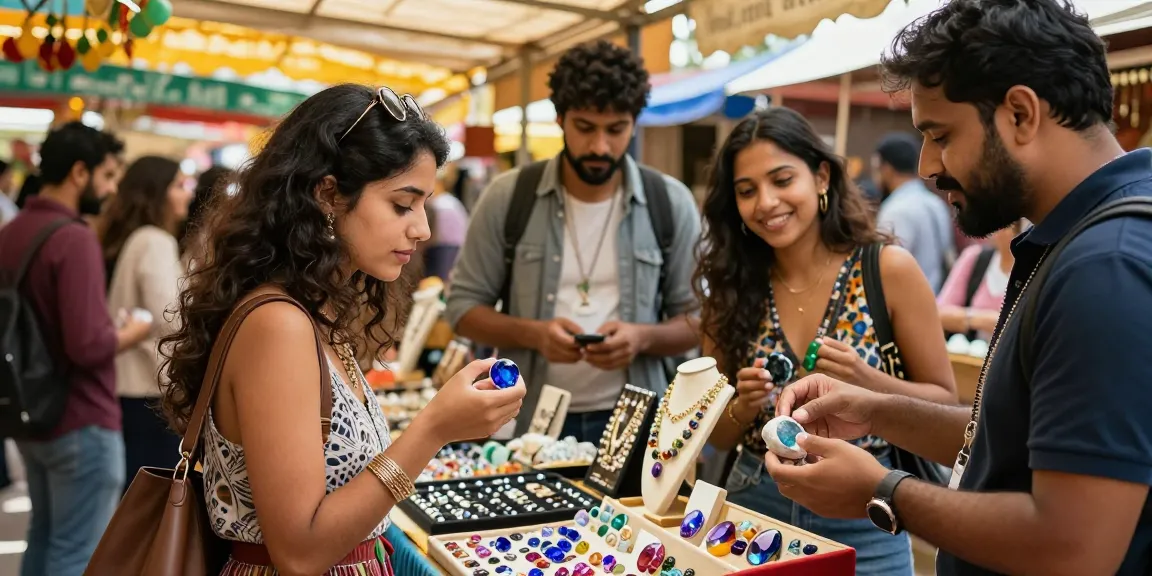
Understanding the Gemstone Market
The gemstone market is a vibrant and multifaceted industry, offering an array of products that appeal to collectors, investors, and jewelry enthusiasts alike. As of 2026, the dynamic nature of this market is shaped by various factors including global demand, rarity, and technological advancements in gemstone identification. A key aspect of navigating this environment involves understanding the different types of gemstones, their price ranges, and what constitutes quality assurance.
Overview of Gemstone Types and Prices
Gemstones can be broadly categorized into precious stones, semi-precious stones, and organic gems, each with distinct characteristics and price ranges. Precious stones, such as diamonds, rubies, sapphires, and emeralds, are typically the most expensive due to their rarity and desirability. Semi-precious stones, including amethyst, garnet, and turquoise, are more abundant and thus generally more affordable. Organic gems like pearls and coral, although often unique, can also vary widely in price. For anyone interested in exploring options in the gemstone market, https://www.mygemspot.com provides comprehensive insights about various types and their market values.
Top Factors Affecting Gemstone Costs
The price of gemstones is influenced by several factors, including:
- Rarity: The scarcity of a gemstone directly impacts its value. Rare hues or flawless stones command higher prices.
- Quality: This encompasses clarity, cut, color, and carat (often referred to as the 4Cs for diamonds).
- Market Demand: Trends in consumer preferences and the impact of global events can shift demand and pricing drastically.
- Origin: Certain locations are renowned for producing high-quality stones (e.g., Kashmir for sapphires), which can elevate prices.
Importance of Quality Assurance in Gemstone Selection
In an industry ripe with competition and the potential for fraud, ensuring quality is paramount. Buyers should look for reputable certifications from recognized authorities (such as GIA or IGI) that guarantee the authenticity and quality of the gemstones. Quality assurance not only protects the consumer but also maintains trust within the marketplace, which is crucial for ongoing business success.
How My Gem Spot Curates Trusted Merchants
When entering the gemstone market, finding trusted merchants can be daunting. My Gem Spot has emerged as a valuable resource, providing a curated selection of verified gemstone merchants. This ensures that buyers can shop with confidence, knowing that each merchant has been thoroughly vetted for quality and reliability.
Qualities of Reliable Gemstone Merchants
Reliable gemstone merchants share common characteristics:
- Transparency: They provide clear information regarding the sourcing and characteristics of the gemstones.
- Reputation: Established merchants with positive customer reviews often indicate reliability.
- Expertise: Knowledgeable sellers can educate buyers on the specifics of gemstones, helping them make informed decisions.
The Curation Process for Merchant Selection
The curation process for selecting merchants involves rigorous criteria, including:
- Track Record: Evaluating the merchant’s history in the industry, including customer satisfaction and return rate.
- Product Quality: Scrutinizing the gemstones for authenticity and grading based on established standards.
- Community Feedback: Taking into account customer testimonials and ratings to gauge reliability.
Customer Reviews and Their Impact on Trust
Customer reviews significantly influence potential buyers’ confidence. Platforms like My Gem Spot often feature verified reviews that can guide purchasing decisions, highlighting both the strengths and weaknesses of merchants. A robust system for collecting and displaying feedback further strengthens trust in the marketplace.
Maximizing Your Gemstone Investment
Investing in gemstones can yield significant returns if approached with knowledge and strategy. Understanding valuation techniques and market trends is essential for making sound investments.
Valuation Techniques for Gemstones
Valuing gemstones requires a comprehensive understanding of various factors, including market demand, quality attributes, and recent sales trends. Appraisals from certified gemologists can provide a professional valuation that ensures a fair market comparison.
Understanding Resale Value of Gemstones
Resale values can fluctuate based on market conditions and gemstone specifics. Historical data indicates that certain gems retain their value better than others, largely due to rarity and desirability. Collectors should be aware of these trends and may want to consult experts when contemplating a resale.
Long-term Investment Strategies for Gem Collectors
For those serious about gemstone investment, developing a long-term strategy is crucial. Collectors should focus on:
- Diversification: Investing in various types of gemstones can mitigate risk.
- Education: Staying informed about market trends and emerging gems can create opportunities.
- Networking: Building relationships with other collectors and traders can provide insights and potential trading opportunities.
Future of Gemstone Shopping in 2026
As technology and consumer preferences evolve, the future of gemstone shopping is poised for significant transformations. Understanding these shifts will be key for both buyers and sellers.
Technological Advances in Gemstone Trading
Advancements such as blockchain technology are set to revolutionize the gemstone market. By providing transparent tracking of provenance, buyers will gain assurance regarding the ethical sourcing of their gems.
Emerging Trends in Sustainable Gem Sourcing
The push for sustainability continues to reshape the gemstone industry. Consumers are increasingly favoring ethically sourced gems, prompting merchants to adapt their supply chains and practices.
Consumer Preferences and Their Influence on Pricing
As preferences shift towards unique and personalized pieces, the demand for rare gemstones is likely to rise. Understanding these consumer trends will be instrumental for merchants in pricing their products effectively.
Frequently Asked Questions
What should I look for when buying gemstones?
Key factors include the type of gemstone, quality (4Cs – cut, color, clarity, carat), certification, and the merchant’s reputation.
How does gemstone quality affect pricing?
Higher quality stones with fewer inclusions, better color saturation, and superior cuts typically command higher prices due to their rarity and visual appeal.
What are the benefits of buying from curated merchants?
Buying from curated merchants ensures you are purchasing verified, high-quality gemstones, reducing the risk of fraud or dissatisfaction with your purchases.
How do I determine the value of my gemstones?
Valuation can be determined through professional appraisals, market comparisons, and understanding current trends in the gemstone market.
What trends should I watch for in the gemstone market?
Watch for trends towards sustainability, demand for unique and ethically sourced gems, and technological advancements that enhance transparency and trust in the market.
